
Placing DRE at the core of the climate agenda
The urgency of the climate crisis is undeniable. From intensified droughts, floods, and storms to devastating heatwaves, climate impacts are rapidly accelerating worldwide, driving hunger, poverty, and humanitarian crises. Yet, the shock of these impacts is unfairly experienced by the most climate-vulnerable nations, which have contributed minimally to the problem.
In Africa, countries like Chad, the Central African Republic, Eritrea, the DRC, and Sudan face existential threats. Similarly, vulnerable regions in the Asia Pacific and Latin America and the Caribbean, including the Philippines, Indonesia, and the Pacific Islands, are at the forefront of this global catastrophe. While global commitments to limit warming have delivered some progress, a considerable gap remains in achieving a truly just green transition.
The Power of Distributed Renewable Energy Solutions (DRE)
A successful green transition offers a profound opportunity that extends far beyond climate mitigation. It is a powerful engine for economic growth and a dramatic improvement in the quality of life for local communities.
DRE lies at the heart of this transition. The DRE technologies, such as solar home systems and green energy mini-grids, offer a swift, clean, and decentralised path to development.
The benefits are staggering:
- Job Creation: Investing in DRE can mean up to 30 times higher job creation compared to investment in fossil fuels. A green power transition in energy-poor countries across Africa and Asia could generate a monumental 25 million jobs (The Rockefeller Foundation, 2021).
- Climate Mitigation: Mass deployment of clean energy technologies, particularly through green energy mini-grids and stand-alone solutions, is critical. Reaching universal electricity access by 2030 using green mini-grids alone could avoid an estimated 626 million tonnes of CO₂e emissions (AfDB, 2023).
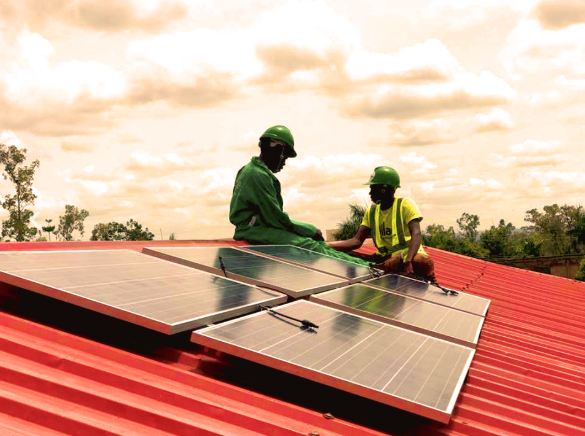
© Village Energy
Effective Climate Action: Our Blueprint for Success
While global cooperation, including COP, remains very critical, its current delivery is insufficient. Any region or government can go above and beyond independently without waiting for external agreement to implement climate mitigation measures. For this vision to become a reality, climate action must be effective, well-resourced, and focused on local impact. This requires a clear blueprint:
- Stronger Commitments and Clear Policy: Governments must establish stronger commitments, provide clear policy direction, and ensure adequate funding and investment flows to the DRE sector.
- Clean Energy as an Enabler: Clean energy must be recognised and supported as a core enabler of local economic development, agricultural productivity, healthcare, and education.
- Public-Private Sector Partnerships: Rapid transformation depends on collaboration. Innovation and capital from the private sector must be backed by government instruments, support, commitments, and unambiguous policy setting.
How ARE Supports the Green Transition
As the leading organisation representing the DRE sector worldwide, the Alliance for Rural Electrification (ARE) is committed to accelerating this transition. ARE strives to:
- Mobilise Co investment: ARE federates the renewable electrification industry to mobilise co-investments in energy access and climate action.
- Act as a Gateway Partner: ARE acts as a trusted renewable industry partner for philanthropies, governments, and international funding partners working on market scale-up.
- Provide a Knowledge Hub: ARE serves as a central business and knowledge hub for private sector driven approaches to the roll out of renewables and electricity access in developing countries.
- Drive Cross-Industry Partnerships: ARE fosters cross-industry partnerships to enable the green transition in key sectors, including mining, telecoms, and transport.
ARE is committed to actively driving this agenda at key events, such as the Energy Access Investment Forum (EAIF) 2026 (21–24 April, Nairobi), which will include a dedicated C&I day focused on industrial decarbonisation and catalysing crucial business-to-business and business-to-government partnerships. Registration is open via www.eaif.energy
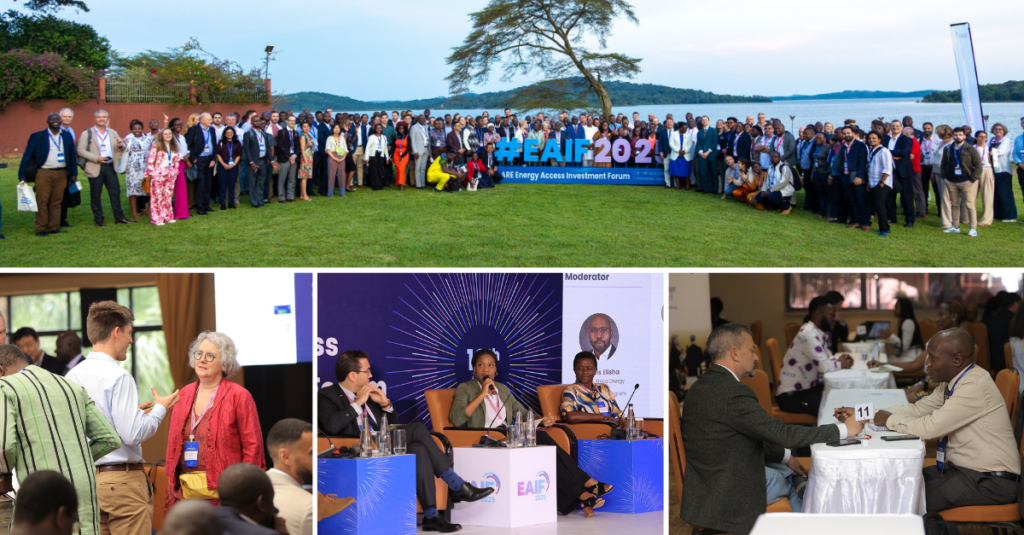
EAIF 2025
Next Steps for Global Partnership
The time for gradual change is over. Now is the time to act decisively to support the nations on the front lines of the climate crisis with the most effective, cleanest, and reliable solutions available.
In this regard, the financiers and private sector companies working on clean energy solutions are encouraged to join ARE to scale their impact and influence.
International organisations are invited to partner with ARE on joint projects across Africa, Asia, and Latin America to boost the green transition. To start exploring potential collaborations, contact are@ruralelec.org.
Let’s work together to power a just, sustainable, and electrified future for all.