
PURE is what you think it is, and so much more
Along the Kenyan coast, off-grid solar power is quietly reshaping daily life. For the Mama Karangas, the local women fish traders, reliable electricity means far more than light. With solar-powered systems, they can now work productively in the evening, while cold storage significantly reduces fish spoilage and expands their access to markets. This is a prime and real-life example of productive use of renewable energy (PURE), generating income, resilience, and opportunity.
Why is PURE vital for economic development?
Across the Global South, the economic gap continues to widen. Bridging it requires more than connections to the grid. It demands targeted support for livelihoods, productive uses of renewable energy (PURE) and industrialisation enabled by renewable electrification. When electricity is paired with productive equipment, the results are immediate and measurable. A solar-powered mill can double a farmer’s output. Cold chain storage can prevent up to 40% of harvest spoilage. All in all, renewable energy, when deployed for productive use, becomes one of the most powerful engines of local economic growth.
The tech is there, but the money is not. Renewable energy costs have fallen by more than half over the past decade. Solar, storage and efficient appliances are proven, scalable and increasingly affordable. Yet the financial structures needed to deploy them in emerging markets remain rigid and risk-averse.
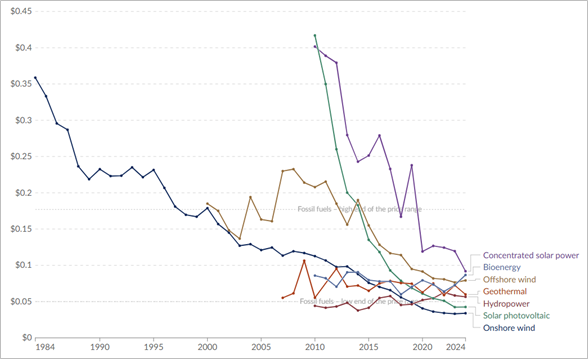
© IRENA 2025
Nearly two-thirds of climate finance flowing to the Global South is provided as loans, often in hard currencies. For local entrepreneurs and small businesses, this model is often simply unworkable. Exchange rate risks and high repayment burdens undermine the enterprises. At the same time, substantial subsidies continue to flow to fossil fuels, distorting markets and slowing the energy transition.
 There is no single solution, but the options are well known. Equity financing, grants, microfinance, public-private partnerships, carbon credits and blended finance mechanisms all have a role to play. What is needed is the political will and institutional flexibility to deploy them, at scale, in ways that match local realities and business models.
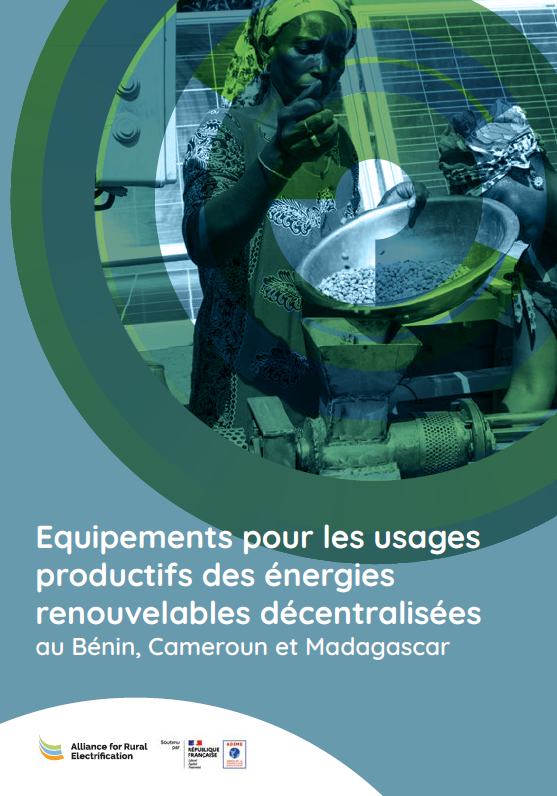
At the Alliance for Rural Electrification, PURE has been a core focus for many years. Our most recent work includes a report on productive use equipment usage in Benin, Cameroon and Madagascar, developed in partnership with ADEME. Building on this long-standing engagement, ARE works with partners across the value chain to enable productive use uptake and to build sustainable ecosystems, from manufacturers and distributors to financiers and end users.
PURE will be the central theme at EAIF 2026
This focus will be reinforced at the ARE Energy Access Investment Forum (EAIF) this year, where productive use of energy will be a central theme. Dedicated sessions will explore the state of the productive use appliance and equipment market, as well as consumer financing models that can unlock demand and affordability for end users.
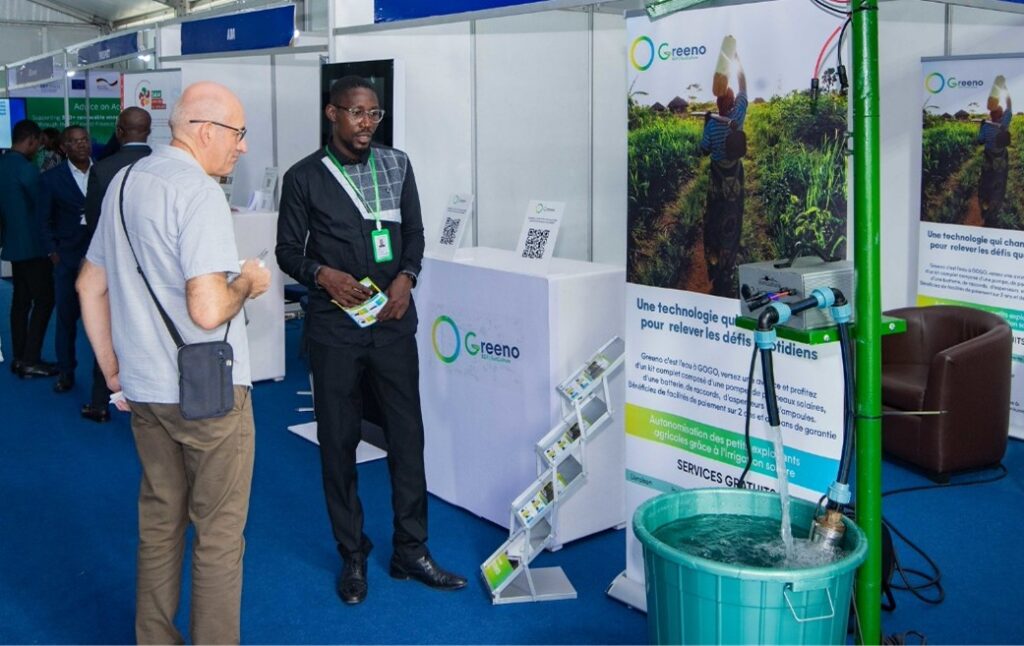
ARE Energy Access Investment Forum – Exhibition
For those who want to stay involved and remain informed about funding and investment opportunities throughout the year, ARE itself also continues to expand its community. Through an ongoing membership campaign offering attractive discounts for small and medium-sized enterprises, we are strengthening a platform designed to connect businesses, financiers and policy makers and to turn energy access into lasting human and economic impact. Learn more about ARE on www.ruralelec.org